Asphalt and concrete finishing for ADA compliance
Key considerations and common mistakes to avoid for ADA-compliant asphalt and concrete finishing.
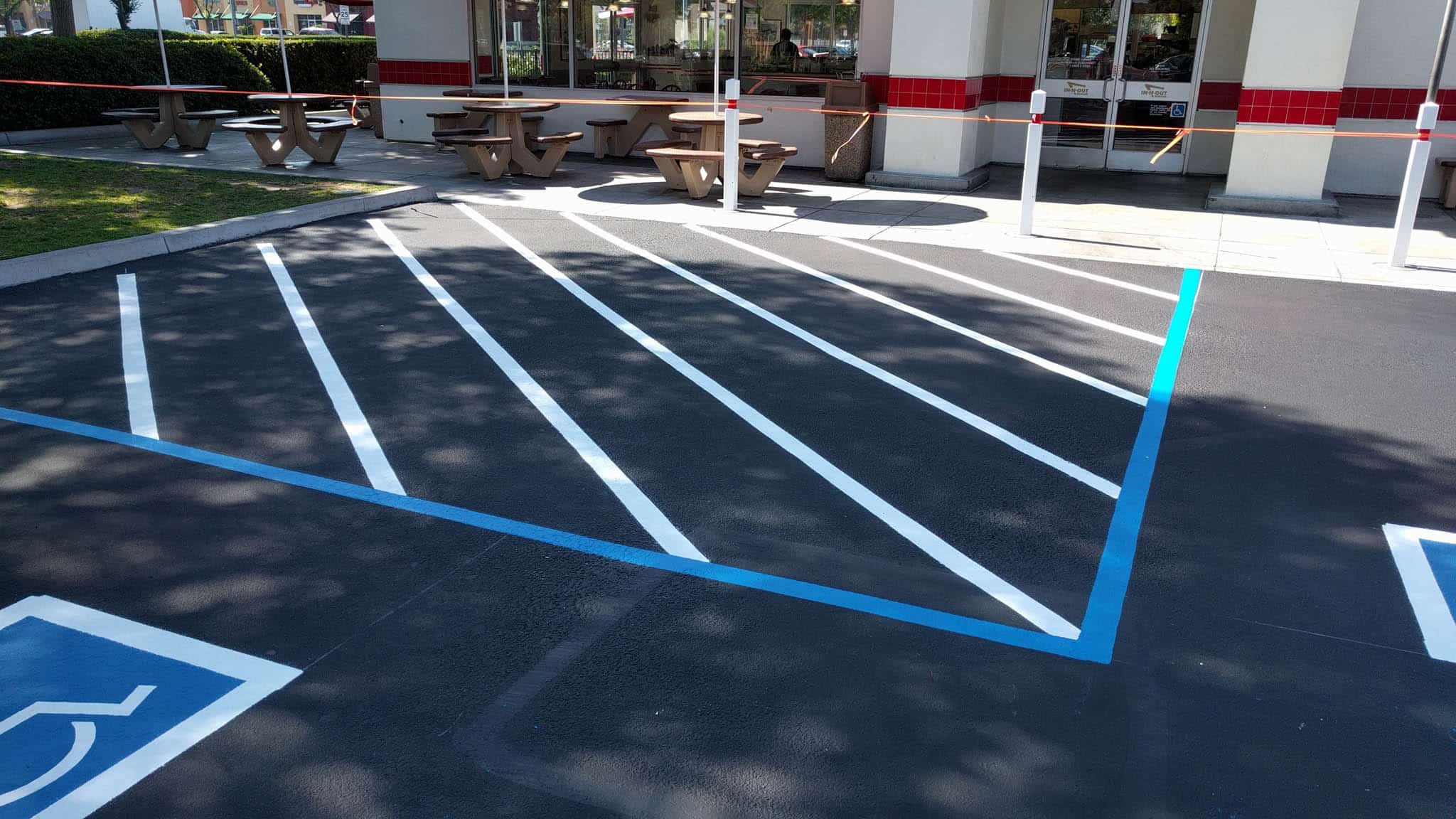

Key considerations and common mistakes to avoid for ADA-compliant asphalt and concrete finishing.
Ensuring asphalt and concrete surfaces meet ADA (Americans with Disabilities Act) requirements is essential for commercial properties. From creating accessible paths of travel (POT) to providing safe and slip-free ramps, sidewalks, and entrances, compliance is both a legal obligation and a practical step toward inclusivity. This is especially critical in California, where a diverse climate, varied terrain, and dense urban and suburban areas require careful attention to detail in construction and finishing.
This blog will cover the key considerations for ADA-compliant asphalt and concrete finishing, offering insights into specific applications like ramps, curbs, garbage pads, and walkways.
ADA compliance ensures accessibility for individuals with disabilities, making commercial spaces usable for everyone. Non-compliance can result in:
By focusing on proper finishing techniques, property owners and managers in California can mitigate these risks while creating inclusive, user-friendly environments.
Winters can exacerbate drainage issues, leading to water pooling and surface deterioration. Plan for rain and temperature fluctuations when designing finishes.
Polished finishes may look appealing but fail to provide adequate traction. Stick to textured options for walkways, ramps, and landings.
Abrupt changes in elevation between surfaces create tripping hazards and violate ADA standards. Use beveled edges and proper grading to maintain smooth transitions.
Failing to install detectable warning surfaces can result in non-compliance and safety risks. Use durable, high-contrast materials that withstand heavy use.
We specialize in creating surfaces that meet all ADA requirements, ensuring compliance and safety for your commercial property.
As Bay Area professionals, we understand the unique climate and regulatory challenges of the region as well as the entire state.
From ramps to garbage pads, we design and execute projects that align with your specific needs and budget.
We use durable, slip-resistant finishes to create long-lasting surfaces that remain safe and functional for years.
ADA compliance in asphalt and concrete finishing goes beyond meeting legal standards—it ensures inclusivity, safety, and functionality for everyone. By focusing on slope, surface texture, drainage, and tactile warnings, property managers can create accessible spaces that withstand environmental challenges.
If you’re ready to improve your property’s accessibility or need expert guidance on ADA-compliant surfaces, contact us today. Let’s work together to create safe, slip-free pathways for your customers and tenants.
Building trust, long-term value, and accessible spaces for all.
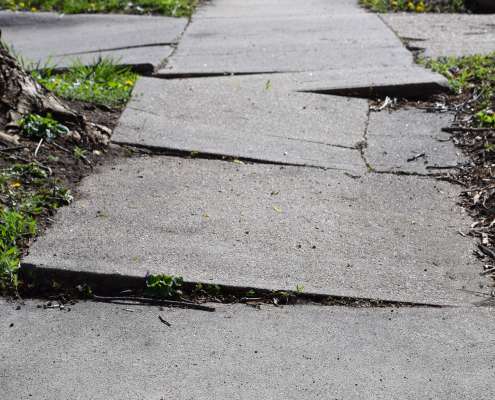 https://pacificsurfacing.com/wp-content/uploads/2025/11/Trip-Hazard.jpg 1229 1638 hello@thepointcollective.com https://pacificsurfacing.com/wp-content/uploads/2025/09/PS_logo_rgb_notagline.png hello@thepointcollective.com2025-11-13 11:08:332026-09-10 11:09:32Trip hazard prevention: Keeping your property safe and ADA compliant
 https://pacificsurfacing.com/wp-content/uploads/2023/10/Pacific-Surfacing-heros-ada-compliance-10-1.jpg 1152 2048 hello@thepointcollective.com https://pacificsurfacing.com/wp-content/uploads/2025/09/PS_logo_rgb_notagline.png hello@thepointcollective.com2025-05-21 15:47:452026-09-10 12:06:49ADA-compliant ramps: Slope, surface & regulations
 https://pacificsurfacing.com/wp-content/uploads/2023/10/Pacific-Surfacing-heros-ada-compliance-2-1.jpg 1152 2048 hello@thepointcollective.com https://pacificsurfacing.com/wp-content/uploads/2025/09/PS_logo_rgb_notagline.png hello@thepointcollective.com2025-01-15 11:56:042026-09-10 12:17:18Asphalt and concrete finishing for ADA compliance
 ADA-compliant ramps: Slope, surface & regulations

