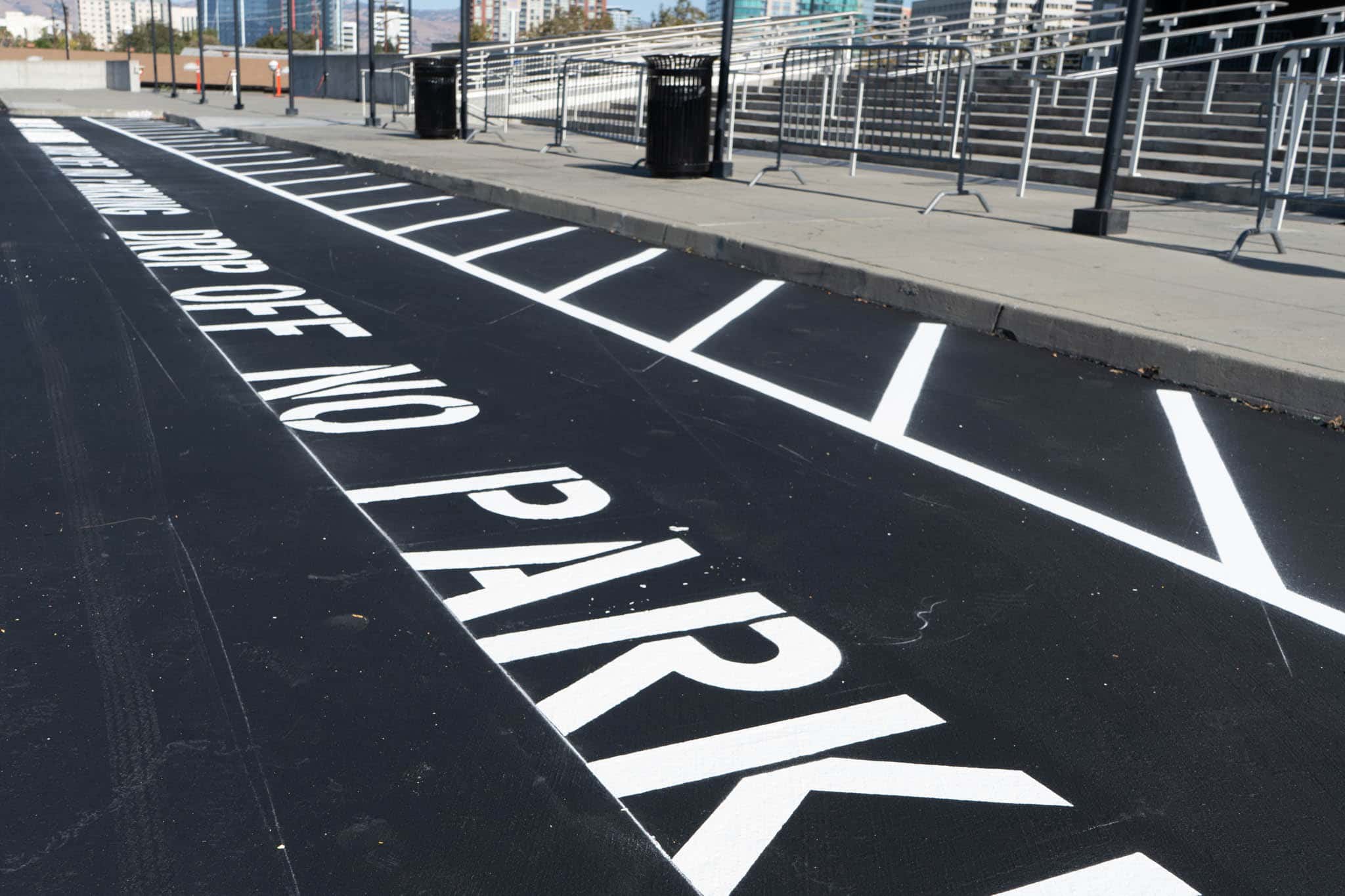
How to combine sealcoating + striping redesign to improve traffic flow and safety
Why the sealcoating process is the perfect opportunity to rethink striping, improve layout efficiency, and enhance safety across your property.
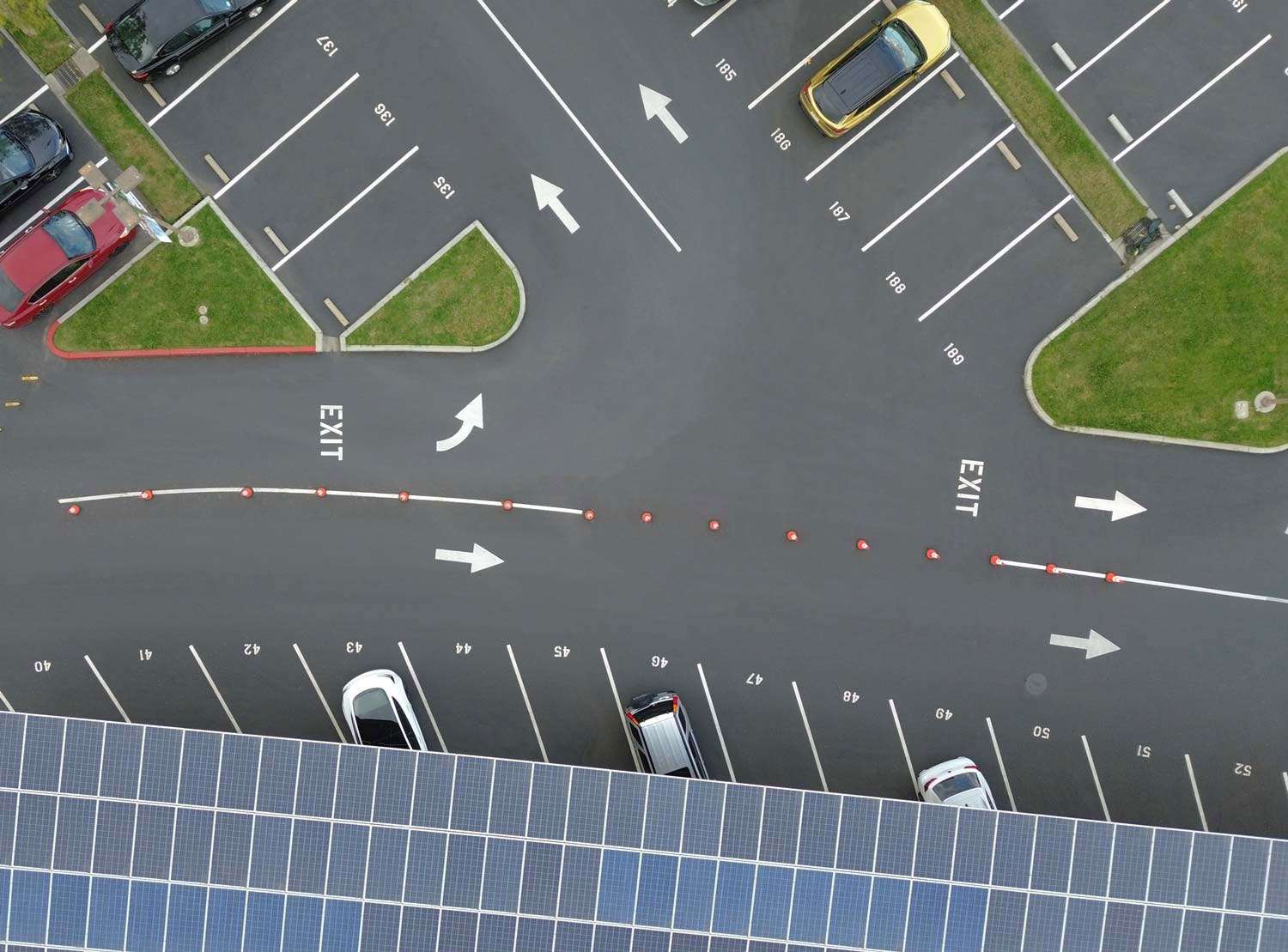

Why the sealcoating process is the perfect opportunity to rethink striping, improve layout efficiency, and enhance safety across your property.
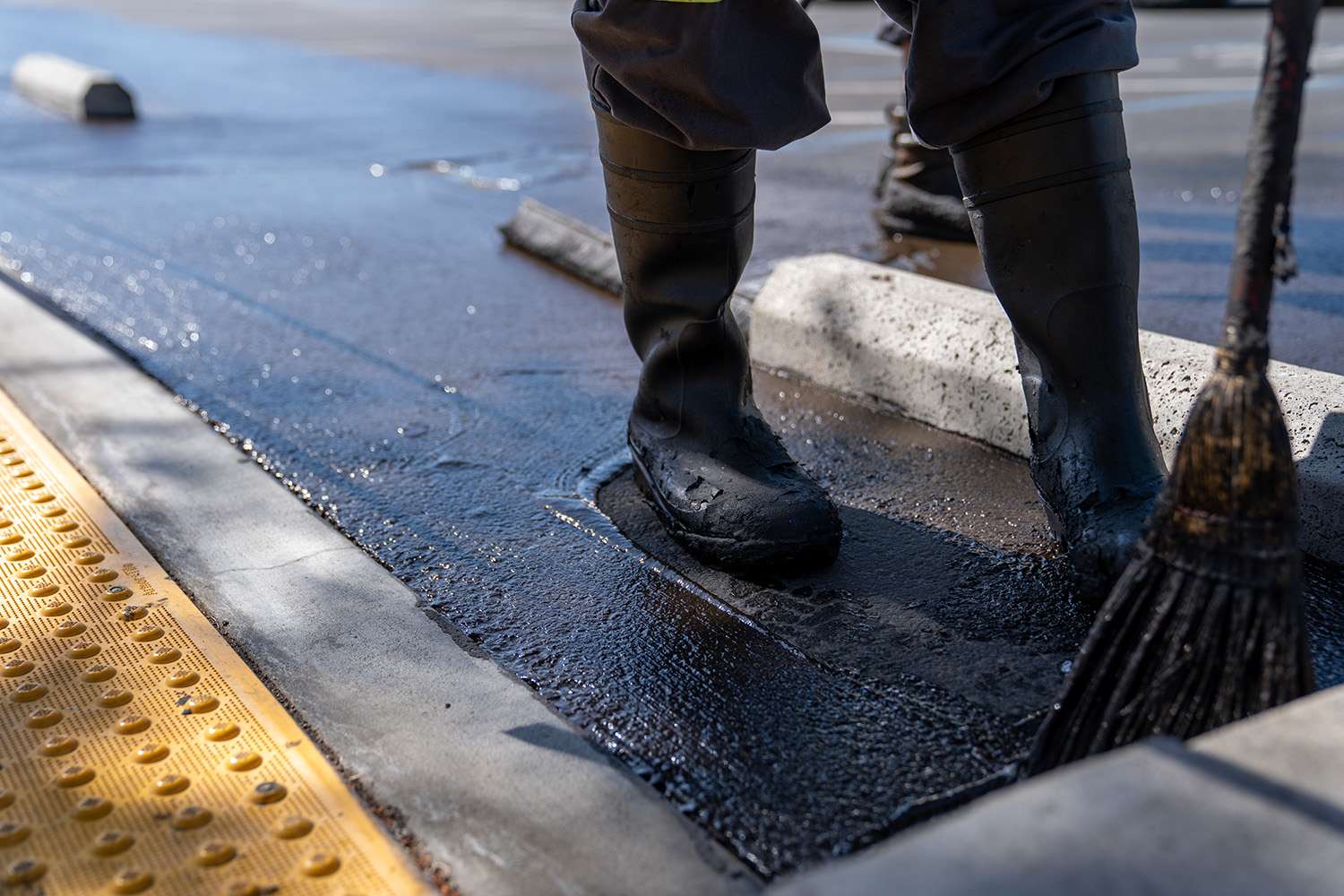
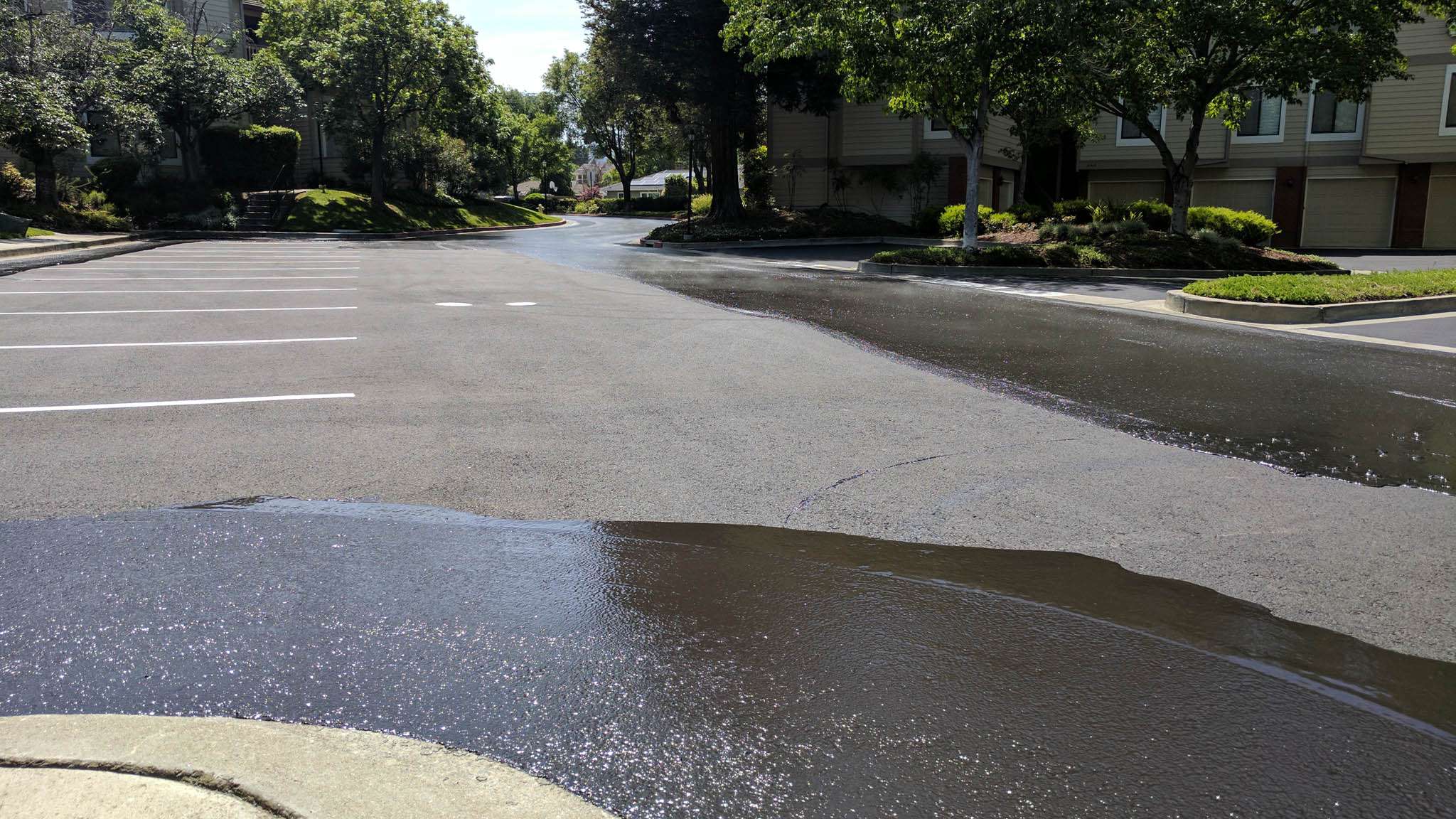
Sealcoating is often viewed strictly as preventative maintenance—a way to protect asphalt and extend pavement life. And while that’s true, the sealcoating process also presents something more valuable:
An opportunity to improve how your property functions.
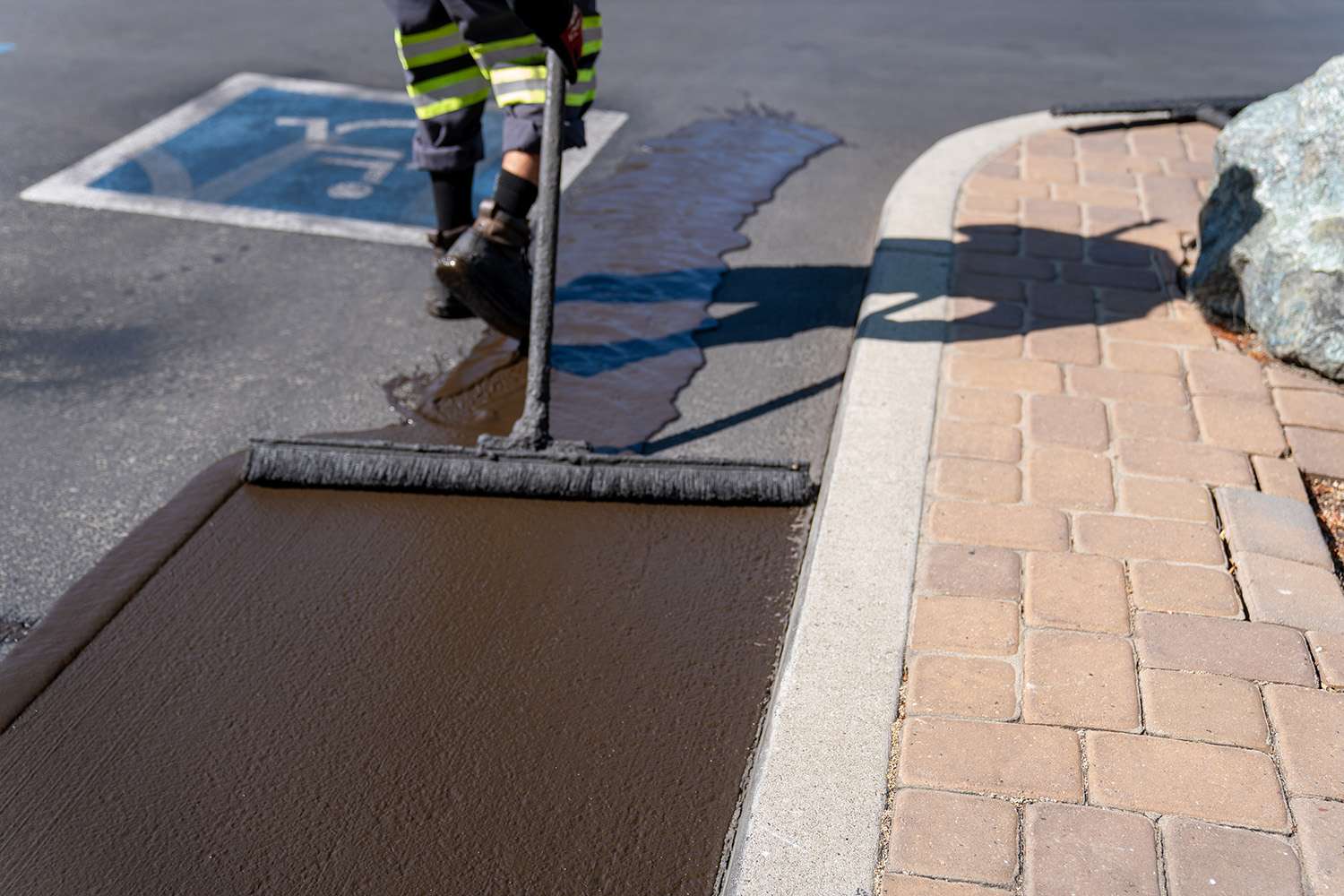
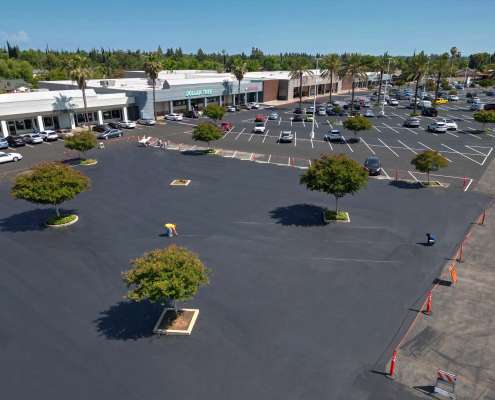
When fresh sealcoat is applied, existing striping must be repainted. That moment—before lines are reinstalled—is the ideal time to evaluate traffic flow, pedestrian safety, ADA compliance, and overall layout efficiency.
For commercial properties, HOAs, retail centers, medical campuses, and industrial facilities, combining sealcoating with a striping redesign can significantly improve safety, reduce liability, and create a smoother user experience.
Striping is removed and reapplied during every sealcoating cycle. Repainting identical lines without evaluating layout is a missed opportunity.
Before restriping, property managers should ask:
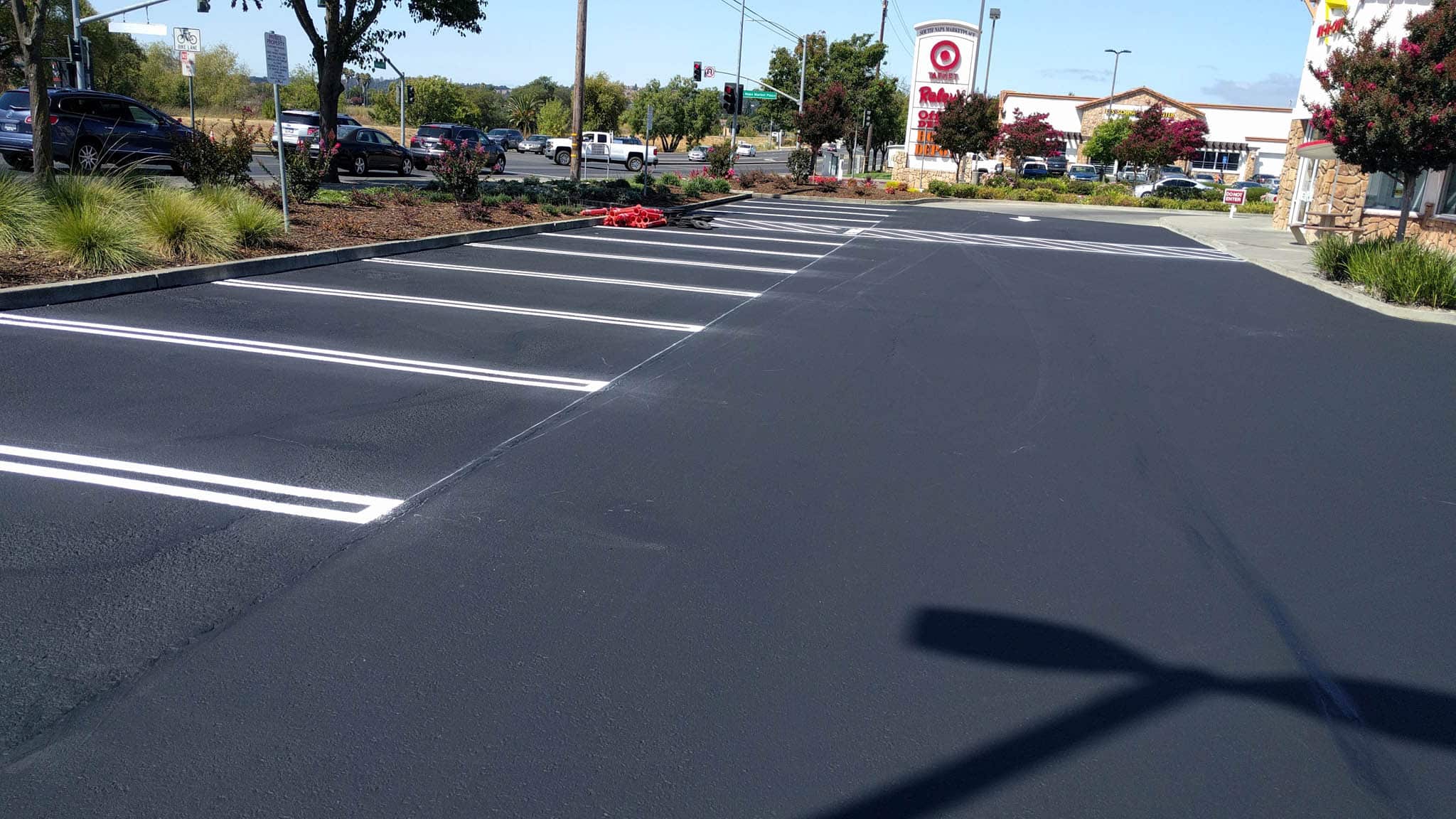
Sealcoating creates a clean slate. It’s the ideal time to correct inefficiencies and modernize your layout without incurring additional mobilization costs.
Long, poorly positioned crosswalks increase pedestrian exposure time and reduce safety.
During the striping redesign phase, crosswalks can often be:
Shorter crossings reduce the time pedestrians are in active traffic lanes, improving safety for residents, employees, and customers.
Small layout adjustments can significantly reduce liability risk and improve overall site usability.
ADA parking is one of the most important components of any striping plan. Regulations evolve, and older properties often fall out of compliance without realizing it.
When combining striping redesign with the sealcoating process, properties can:
Improper ADA layout exposes properties to legal risk. Sealcoating cycles provide a natural checkpoint to confirm compliance and make necessary adjustments.
Many commercial parking lots evolve without strategic layout planning. The result?
A striping redesign can:
When vehicles move predictably and logically, safety improves, and congestion decreases.
Every city and municipality maintains parking and accessibility standards. Over time, regulations change.
Before restriping, it’s essential to confirm compliance with:
Reapplying outdated striping after sealcoating can unintentionally lock a property into non-compliance for another maintenance cycle.
Incorporating code review into the sealcoating process ensures the new layout meets current standards and reduces potential liability.
Pairing sealcoating with striping redesign delivers operational advantages:
Rather than treating sealcoating and striping as separate tasks, combining them allows property managers to maximize efficiency and value.
Sealcoating restores the surface. Striping defines how that surface functions.
When both are approached strategically, properties gain:
The sealcoating process isn’t just about protection—it’s about performance.
Every sealcoating cycle presents a decision: simply repaint the old lines—or improve the way your property works.
By combining sealcoating with a thoughtful striping redesign, commercial properties and HOAs can enhance safety, improve traffic flow, reduce liability exposure, and ensure adherence to municipal codes.
When maintenance and strategy work together, the result is more than a refreshed surface—it’s a smarter, safer property.
Building trust, long-term value, and accessible spaces for all.
 https://pacificsurfacing.com/wp-content/uploads/2026/04/PS_sustainable-asphalt_v3.jpg 1109 1500 hello@thepointcollective.com https://pacificsurfacing.com/wp-content/uploads/2025/09/PS_logo_rgb_notagline.png hello@thepointcollective.com2026-03-30 08:43:222026-09-10 10:59:22How to combine sealcoating + striping redesign to improve traffic flow and safety
 https://pacificsurfacing.com/wp-content/uploads/2026/03/DSC06745-scaled.jpg 1707 2560 hello@thepointcollective.com https://pacificsurfacing.com/wp-content/uploads/2025/09/PS_logo_rgb_notagline.png hello@thepointcollective.com2026-03-23 12:16:522026-09-10 11:04:47Preparing your pavement for sealcoating: Why proper prep work determines long-term results
 https://pacificsurfacing.com/wp-content/uploads/2026/03/DJI_0340_updated.jpg 1500 2000 hello@thepointcollective.com https://pacificsurfacing.com/wp-content/uploads/2025/09/PS_logo_rgb_notagline.png hello@thepointcollective.com2026-03-16 10:16:182026-09-10 11:06:34Preparing residents, tenants and employees for sealcoating day
 Fire lane striping requirements in California