How sealcoating extends the life and enhances durability of asphalt
At Pacific Surfacing we believe maintaining the quality and longevity of commercial asphalt is critical for businesses that want to avoid costly repairs and create a professional appearance. One of the most effective ways to protect asphalt is through sealcoating. Sealcoating offers both short-term and long-term benefits, helping to preserve the asphalt’s structure and improve its appearance. In this article, we will explore the value of sealcoating, how it extends the lifespan of asphalt, how often it should be applied, and what to consider when planning sealcoating projects.
What is sealcoating?
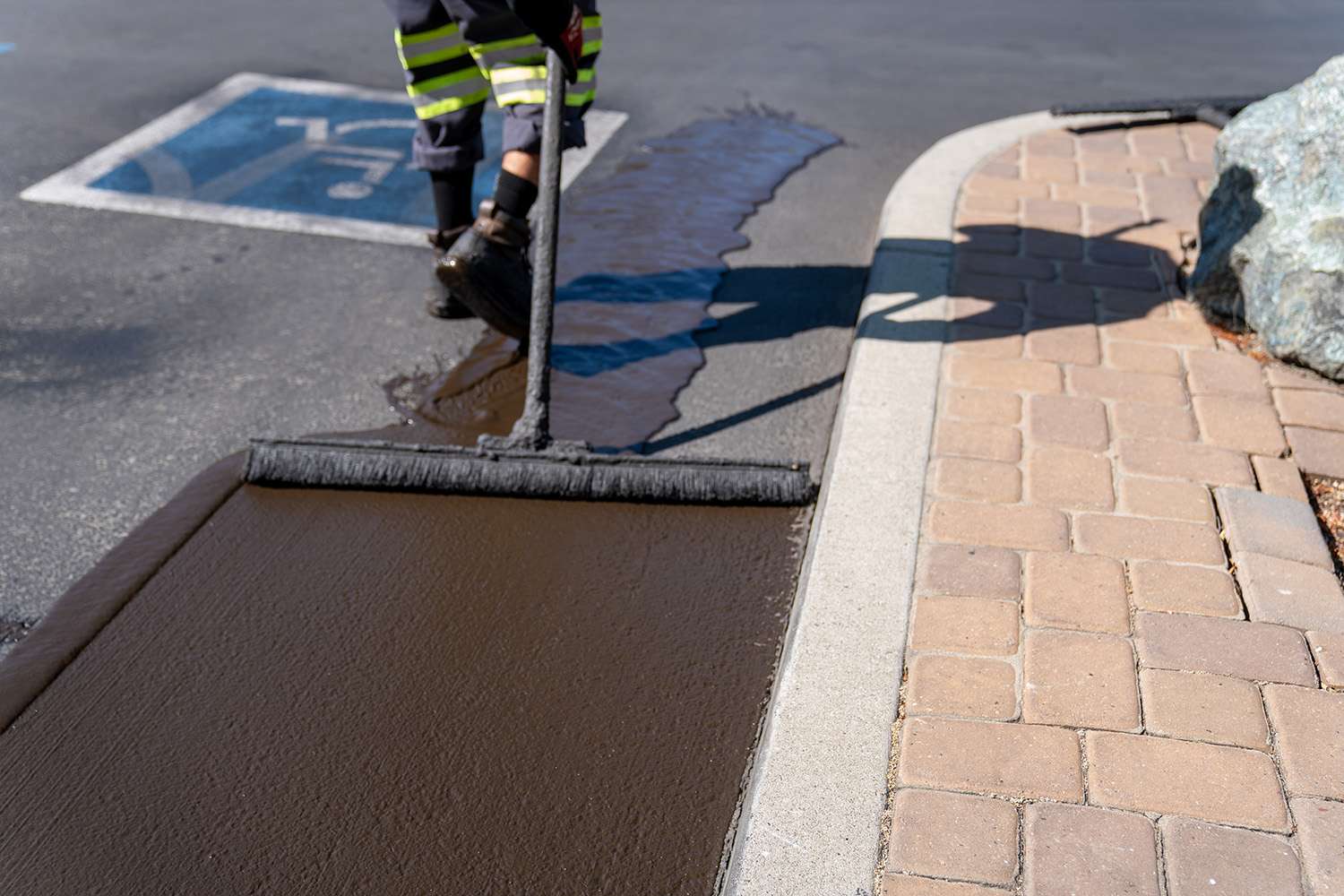
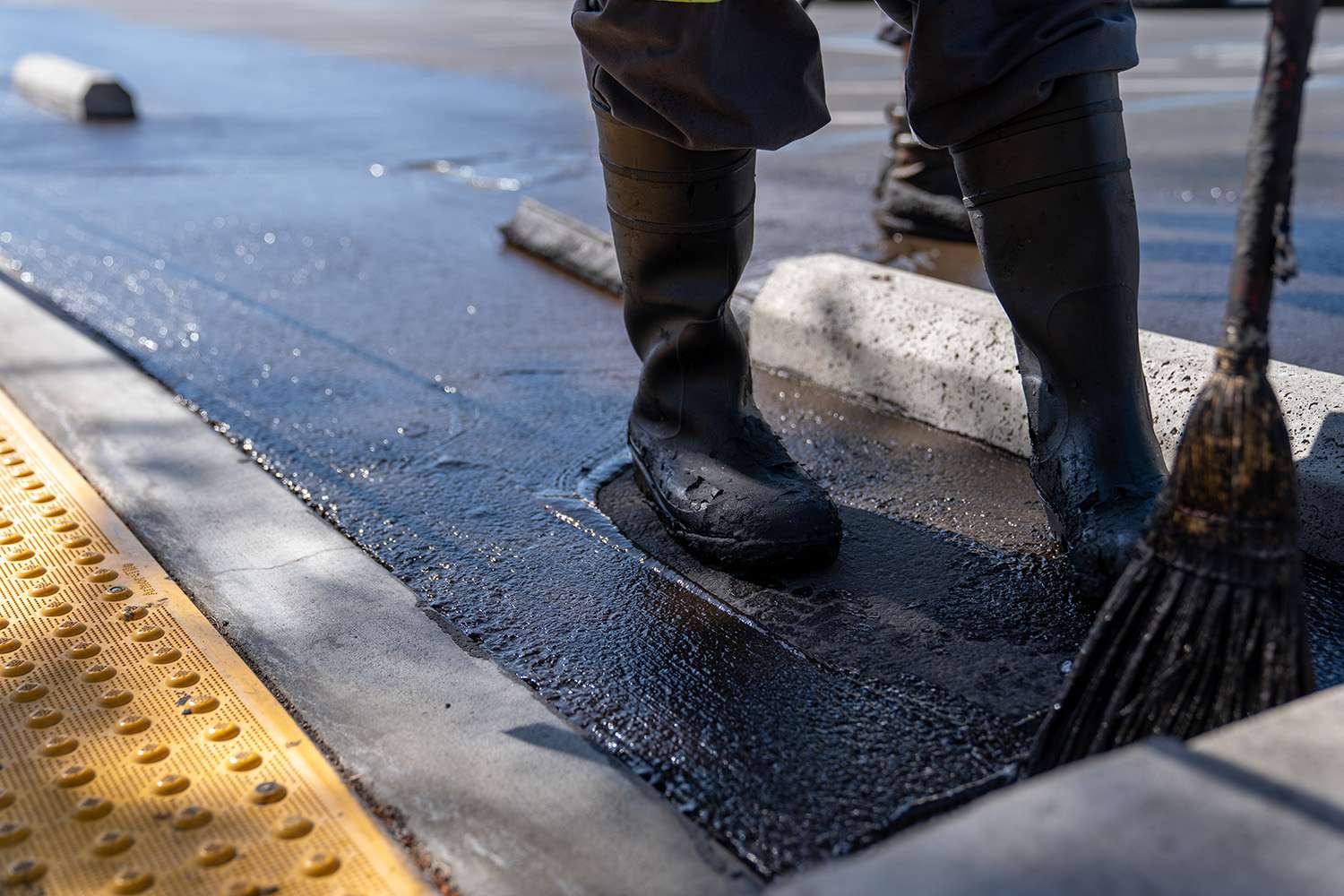
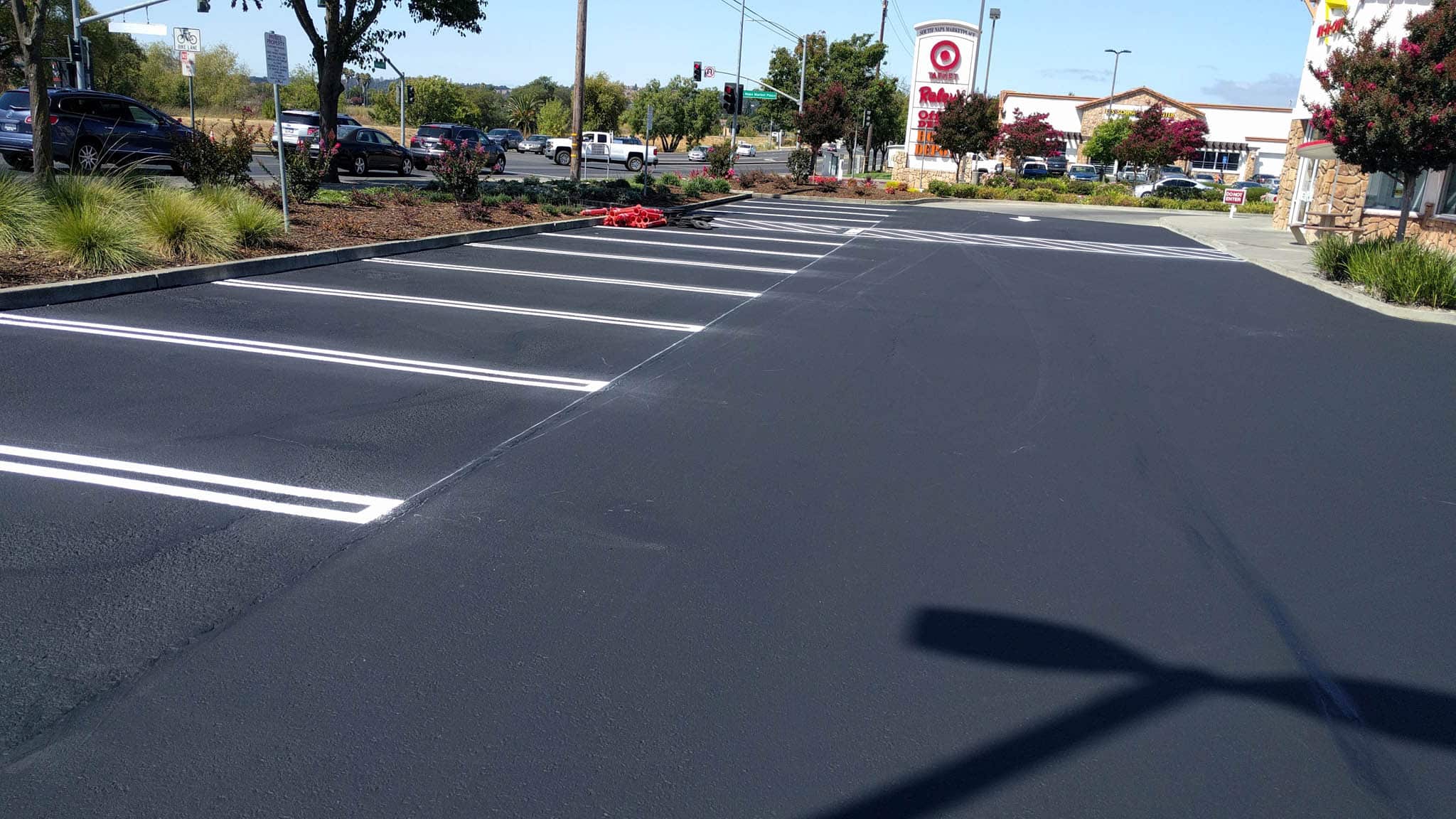
Sealcoating is the process of applying a protective layer to the surface of asphalt. This layer acts as a barrier against harmful elements like water, oil, chemicals, and UV rays. Over time, exposure to these elements can cause asphalt to crack, fade, and deteriorate. Sealcoating not only protects asphalt from these external factors but also improves its aesthetic by giving it a fresh, black appearance.
The long-term value of sealcoating
- Extending the life of asphalt:
- Prevents cracking and erosion: Sealcoating helps prevent cracks and erosion by protecting the asphalt from water, oil, and other substances that can weaken its surface. Without this protection, small cracks can quickly spread and cause more significant damage.
- UV protection: The sun’s UV rays can break down the bonds in asphalt, leading to fading and weakening of the surface. Sealcoating adds a protective layer that shields the asphalt from harmful UV exposure.
- Cost savings over time: By extending the life of the asphalt, businesses can avoid the need for expensive repairs or complete resurfacing. The cost of sealcoating is significantly lower than replacing the entire asphalt surface, making it a cost-effective long-term investment.
- How long sealcoating extends the life of asphalt:
- With regular maintenance and sealcoating every 2-3 years, the lifespan of asphalt can be extended by up to 30 years or more. Without sealcoating, asphalt typically lasts around 10-15 years before it requires major repairs or resurfacing. Sealcoating effectively doubles or even triples the functional life of the pavement.
The short-term value of sealcoating
- Enhanced aesthetic appeal:
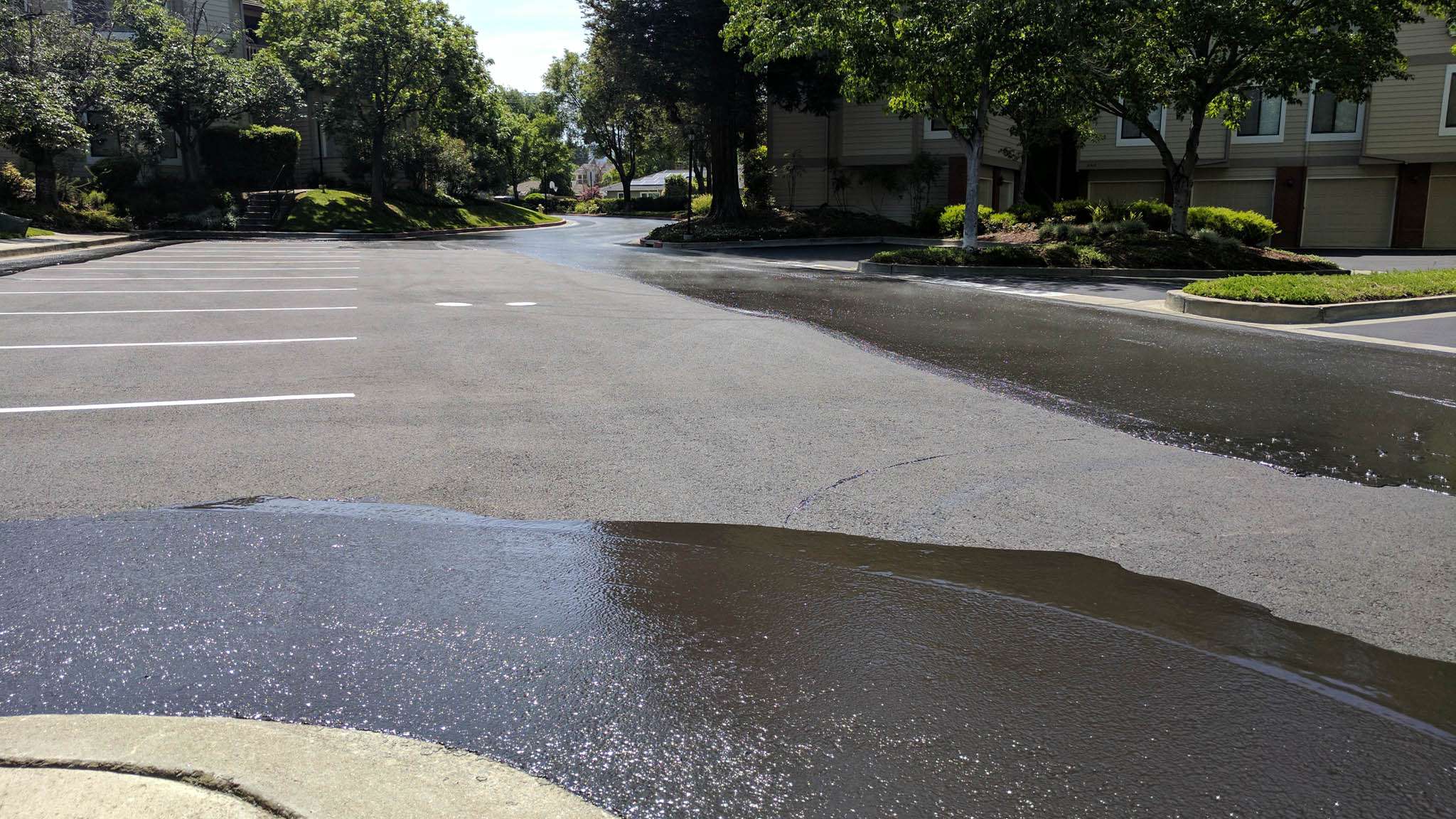
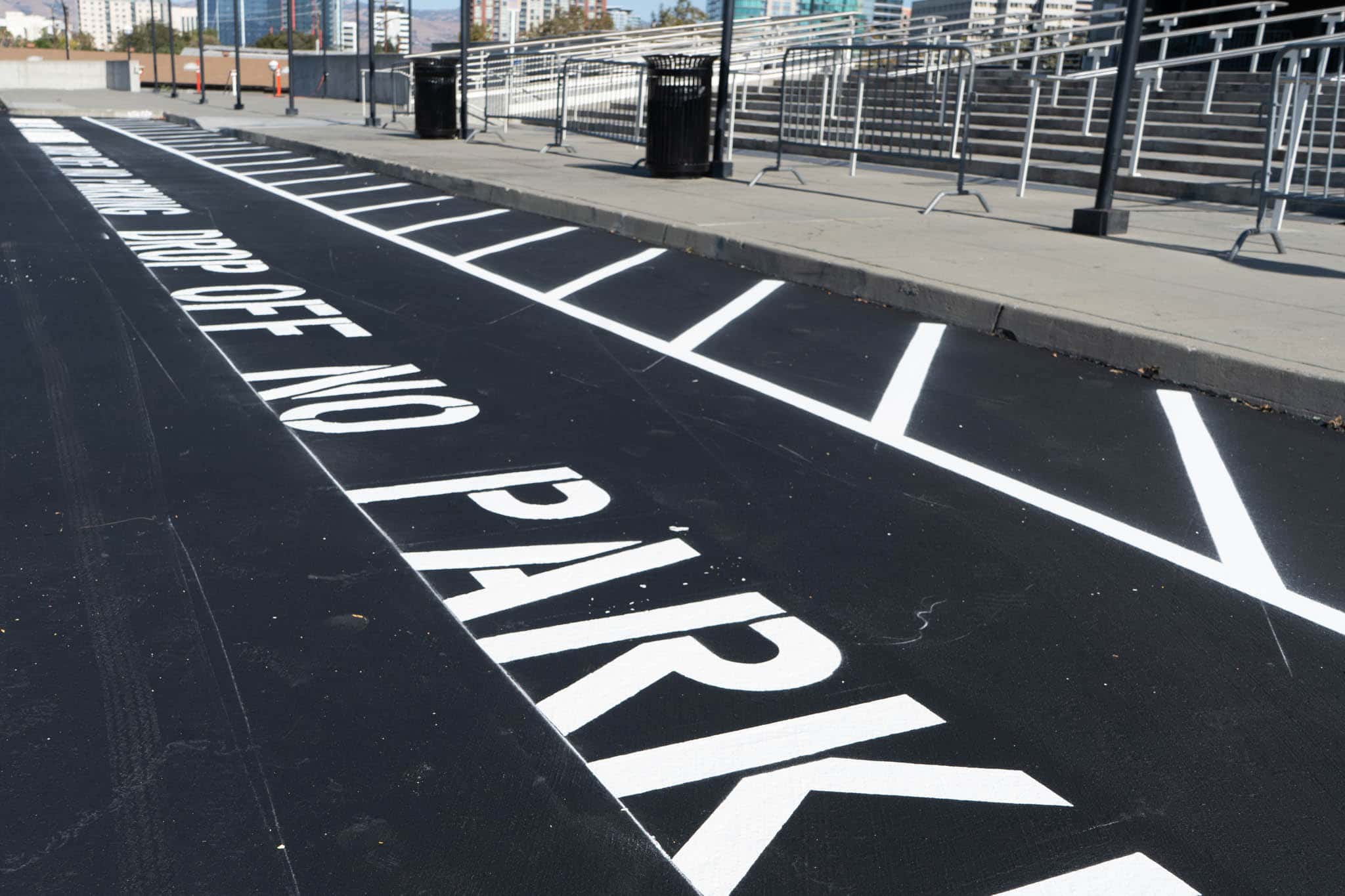
- Sealcoating immediately improves the appearance of asphalt by providing a smooth, dark surface. This fresh look is not only attractive but also gives a professional and well-maintained impression to customers and visitors.
- Increased durability and traction:
- The application of sealcoat helps smooth out any rough or uneven spots in the asphalt, improving both durability and traction. This is especially important in high-traffic areas where wear and tear can quickly take a toll on the pavement’s surface.
- Immediate protection:
- Sealcoating provides an immediate protective barrier against weather, chemicals, and oil spills. This ensures that even in the short term, the asphalt is less likely to experience damage or require repairs.
How often should you sealcoat asphalt?
- New asphalt:
- It’s recommended to wait at least 6-12 months before applying the first sealcoat to new asphalt. This allows the asphalt to fully cure and settle before adding the protective layer.
- Maintenance schedule:
- After the initial sealcoat, commercial asphalt should be sealcoated every 2-3 years. Regular maintenance at these intervals will ensure that the asphalt remains protected and can handle the stress of heavy traffic, weather, and other damaging factors.
- High traffic areas:
- In areas with high vehicle traffic, more frequent sealcoating may be necessary. Assess the wear and tear after the first couple of years to determine if more frequent applications are needed.
What happens if you don’t sealcoat?
Without sealcoating, asphalt is left vulnerable to a wide range of environmental and human-made factors that cause it to deteriorate more quickly.
- Shortened lifespan:
- Asphalt that isn’t sealcoated may last only 10-15 years, compared to the 30+ years it can last with proper maintenance and regular sealcoating.
- Cracks and potholes:
- Water is one of the most damaging elements for asphalt. Without a sealcoat, water can seep into small cracks and cause them to expand, eventually leading to potholes and major structural damage.
- Fading and weakening:
- UV rays from the sun cause unprotected asphalt to fade and weaken over time. This not only makes the surface look unappealing but also weakens its structural integrity, increasing the risk of damage from heavy traffic.
- Higher costs:
- Without sealcoating, you’re more likely to face costly repairs or even total resurfacing. The cost of repairs often far exceeds the cost of regular sealcoating maintenance.
Time of year: When is the best time to sealcoat?
- Warm, dry weather:
- The ideal time to sealcoat asphalt is during the warmer months when temperatures are consistently above 50°F (10°C). Warm weather allows the sealcoat to dry and cure properly, ensuring the best protection.
- Avoid rainy seasons:
- Rain is a sealcoat’s worst enemy. If the sealcoat doesn’t have time to properly dry and set before it rains, the water can wash away the protective layer. For this reason, it’s best to avoid sealcoating during the rainy season or when rain is in the forecast within 24-48 hours of application.
- Consider humidity:
- Humidity can also affect the drying process. Higher humidity levels may prolong drying time, so it’s important to take this into account when planning a sealcoating project.
- Spring and summer:
- The best time to sealcoat is typically during the late spring to early summer, when the weather is warm and dry. This ensures the best results and allows the sealcoat to bond effectively with the asphalt surface.
Key considerations for sealcoating commercial asphalt
- Frequency: Sealcoat every 2-3 years for optimal protection and longevity.
- Weather: Choose a time when the weather is warm and dry for the best results.
- Traffic: High-traffic areas may need more frequent sealcoating or additional layers of protection.
- Aesthetic: Sealcoating immediately improves the look of your asphalt, giving it a professional, well-maintained appearance.
Conclusion
Sealcoating commercial asphalt is an essential maintenance practice that provides both short-term benefits and long-term value. From preventing cracks and potholes to extending the lifespan of the pavement, sealcoating offers a cost-effective way to protect your investment. By following a regular maintenance schedule and choosing the right time of year for application, businesses can ensure that their asphalt remains durable, safe, and visually appealing for decades to come.

 https://pacificsurfacing.com/wp-content/uploads/2026/04/PS_sustainable-asphalt_v3.jpg 1109 1500 hello@thepointcollective.com https://pacificsurfacing.com/wp-content/uploads/2025/09/PS_logo_rgb_notagline.png hello@thepointcollective.com2026-03-30 08:43:222026-09-10 10:59:22How to combine sealcoating + striping redesign to improve traffic flow and safety
 https://pacificsurfacing.com/wp-content/uploads/2026/03/DSC06745-scaled.jpg 1707 2560 hello@thepointcollective.com https://pacificsurfacing.com/wp-content/uploads/2025/09/PS_logo_rgb_notagline.png hello@thepointcollective.com2026-03-23 12:16:522026-09-10 11:04:47Preparing your pavement for sealcoating: Why proper prep work determines long-term results
 https://pacificsurfacing.com/wp-content/uploads/2026/03/DJI_0340_updated.jpg 1500 2000 hello@thepointcollective.com https://pacificsurfacing.com/wp-content/uploads/2025/09/PS_logo_rgb_notagline.png hello@thepointcollective.com2026-03-16 10:16:182026-09-10 11:06:34Preparing residents, tenants and employees for sealcoating day
 Concrete resurfacing