Preparing residents, tenants and employees for sealcoating day
How proactive communication, clear signage, and thoughtful planning ensure a smooth and stress-free sealcoating process.

How proactive communication, clear signage, and thoughtful planning ensure a smooth and stress-free sealcoating process.
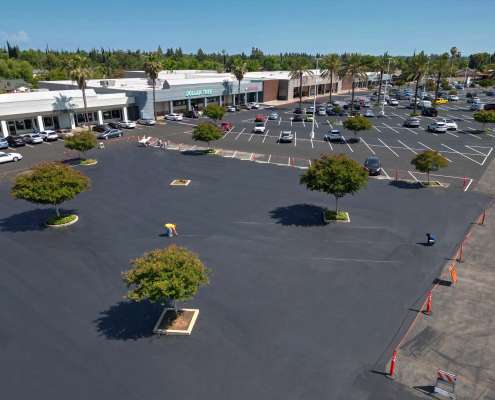
Sealcoating day can be a major operational event for commercial properties, HOAs, apartment communities, business parks, and retail centers. Parking shifts. Access routes change. Certain areas temporarily close.
Without clear communication and planning, confusion can quickly replace cooperation.
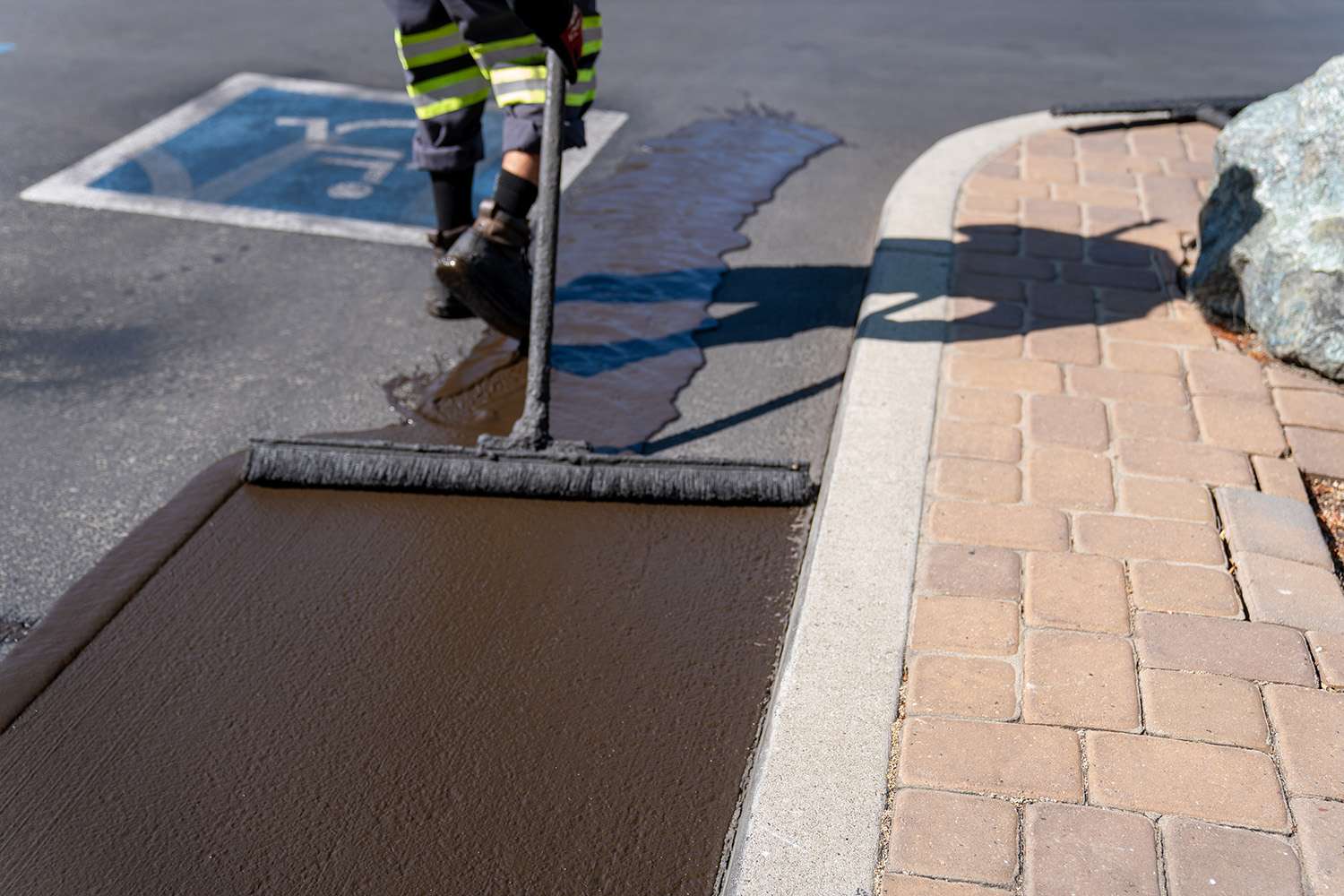
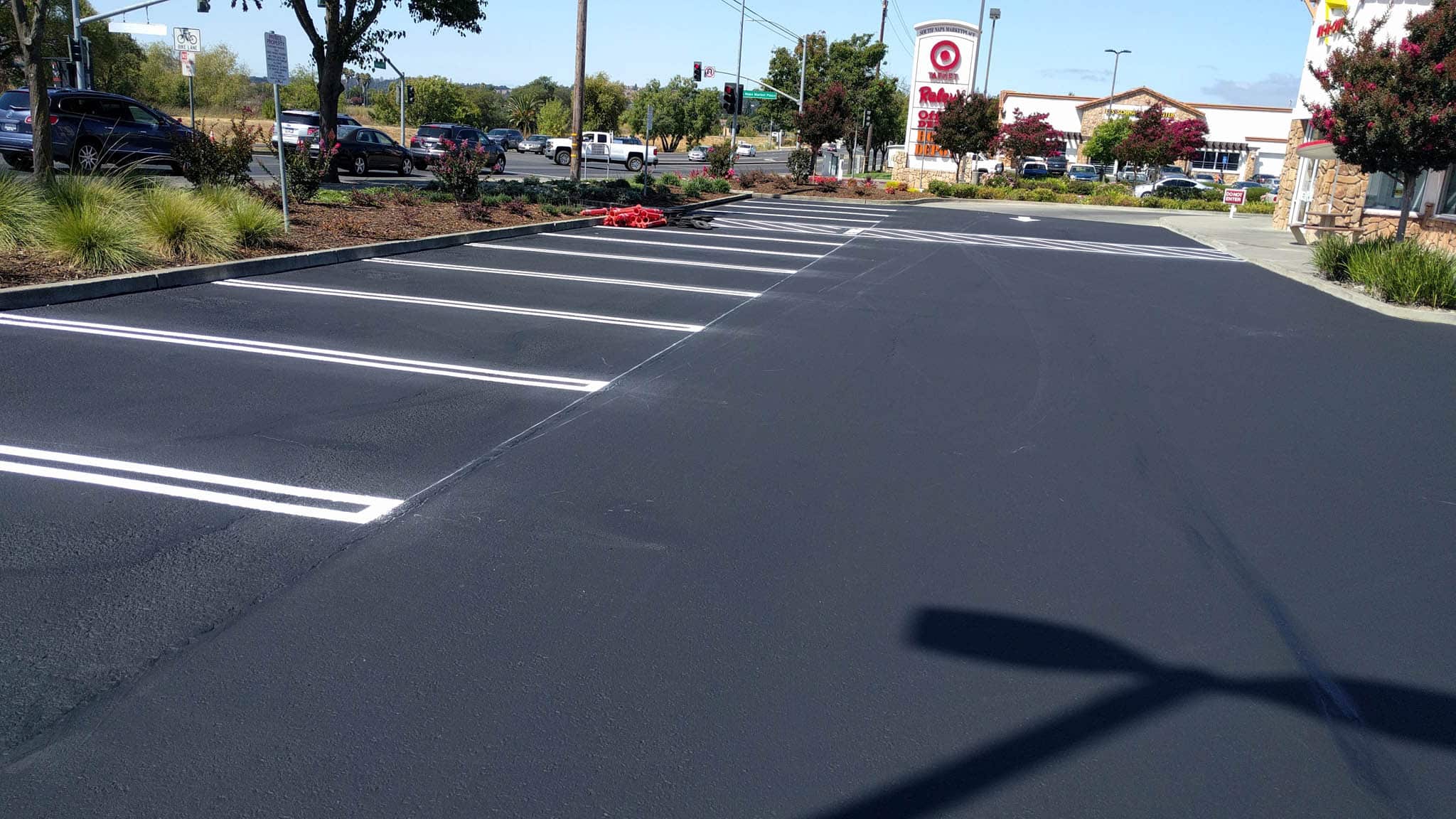
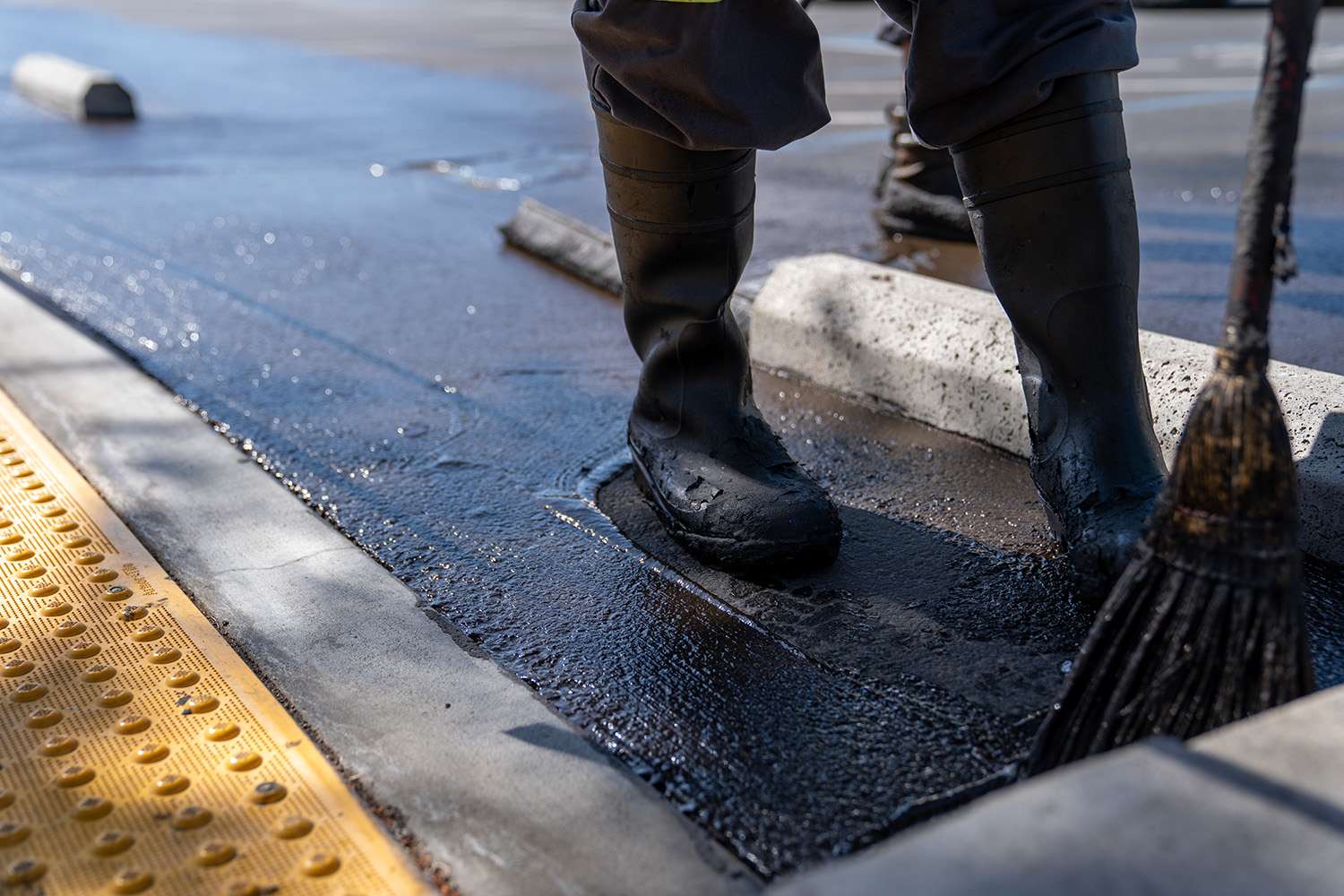
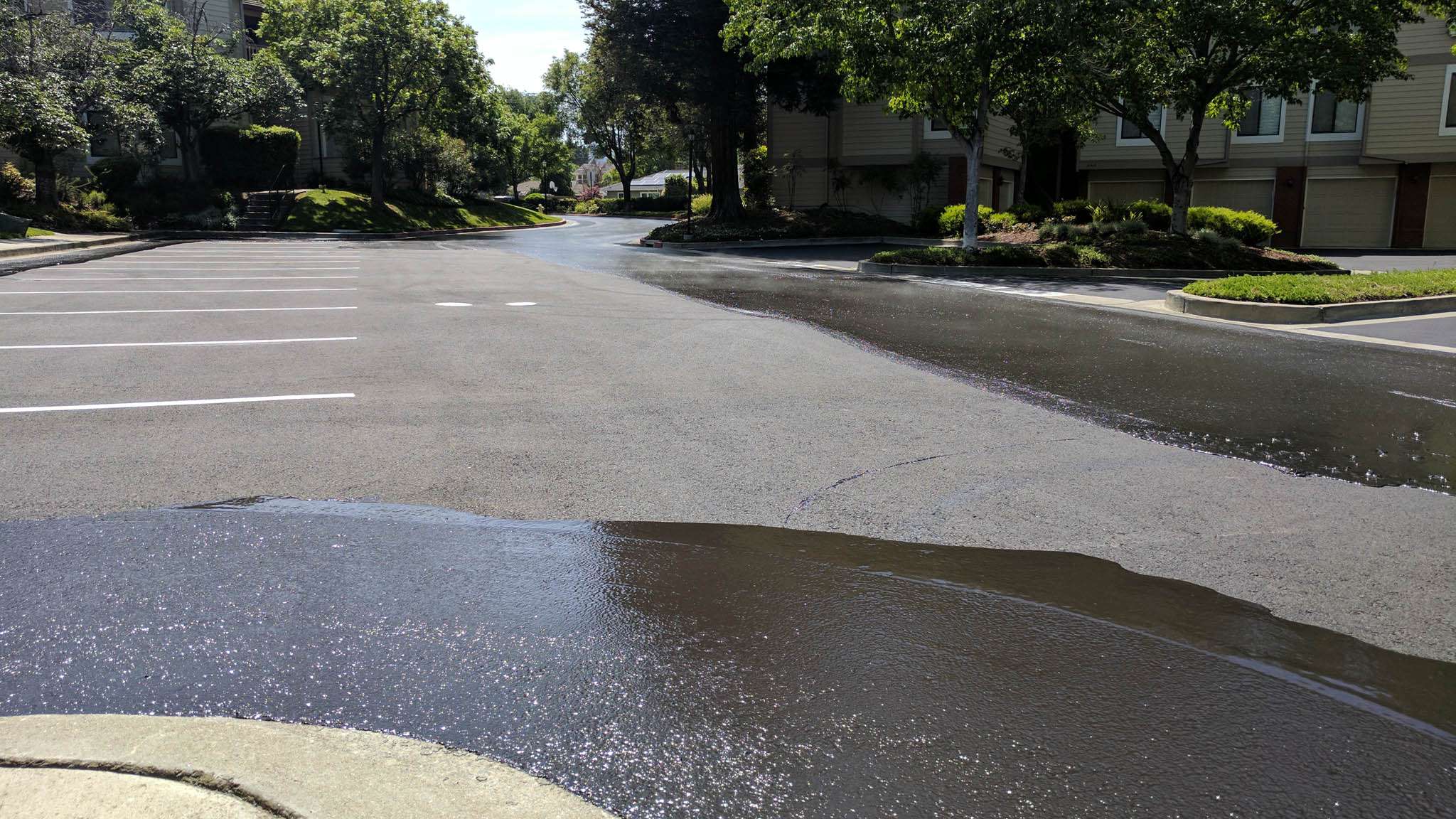
At Pacific Surfacing, minimizing impact is a core part of our service. The physical work matters—but so does how the community experiences the project. Through early notification, detailed color-coded maps, coordinated phasing schedules, and hands-on communication with property managers, we ensure the sealcoating process runs smoothly from start to finish.
When residents and tenants understand exactly what’s happening—and when—projects succeed with less stress and fewer disruptions.
Sealcoating requires temporary closures of asphalt areas, shifts in parking availability, and adjustments to daily routines. Properties that communicate clearly experience:
When everyone knows the plan in advance, cooperation replaces confusion.
Preparation begins well before crews arrive onsite.
Property managers receive detailed best-practice instructions outlining how to prepare the property, including:
Providing this information early gives managers time to distribute it properly and answer questions before sealcoating day.
Clear communication must extend beyond management offices.
A multi-touch notification approach works best:
The goal is simple: no one should be surprised when a section of pavement is closed.
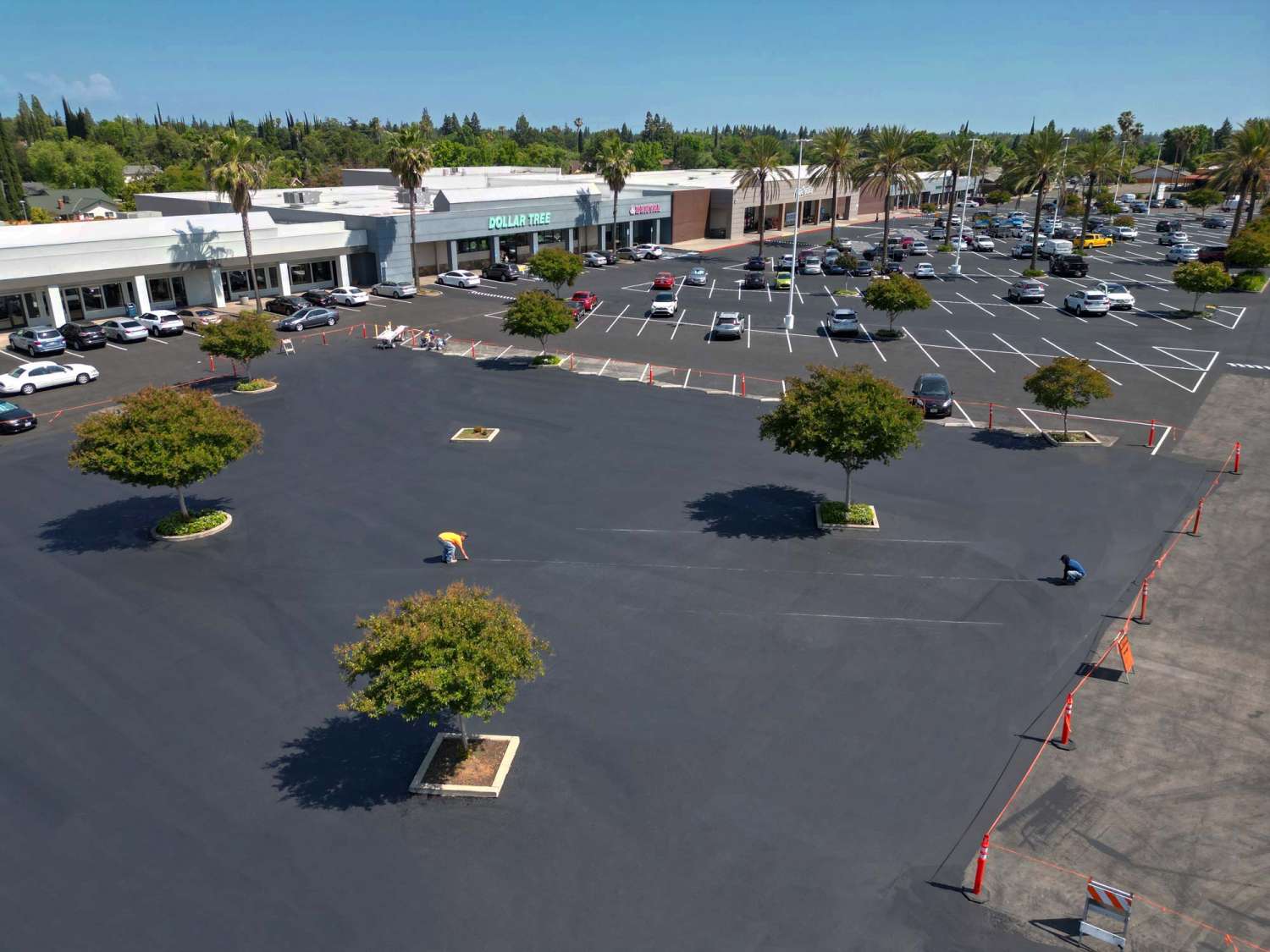
For larger properties, sealcoating rarely happens all at once. It is phased strategically to maintain partial access throughout the project.
That’s where color-coded maps become essential.
Pacific Surfacing prepares detailed, color-coded phasing maps that clearly show:
Each phase is clearly identified by color so tenants know exactly when their area is impacted—and when it is not.
This is especially valuable in large apartment complexes, office campuses, or retail centers where different sections may be sealed on different days. Clear maps eliminate confusion and help residents plan accordingly.
Sealcoating day communications should clearly outline:
Specific timing helps tenants plan their day and prevents vehicles from being parked in restricted zones.
For retail centers and high-traffic commercial properties, timing is everything.
Whenever possible, Pacific Surfacing works on weekends to reduce impact on customers, employees, and business operations. Weekend scheduling allows:
By aligning scheduling with operational realities, the sealcoating process becomes far less disruptive.
Efficiency is a critical part of minimizing impact.
Pacific Surfacing utilizes advanced equipment designed to maximize productivity and complete large sections of work in shorter timeframes. While the technical details of the equipment may not be visible to tenants, the results are:
The ability to do more in less time directly benefits property managers and their communities.
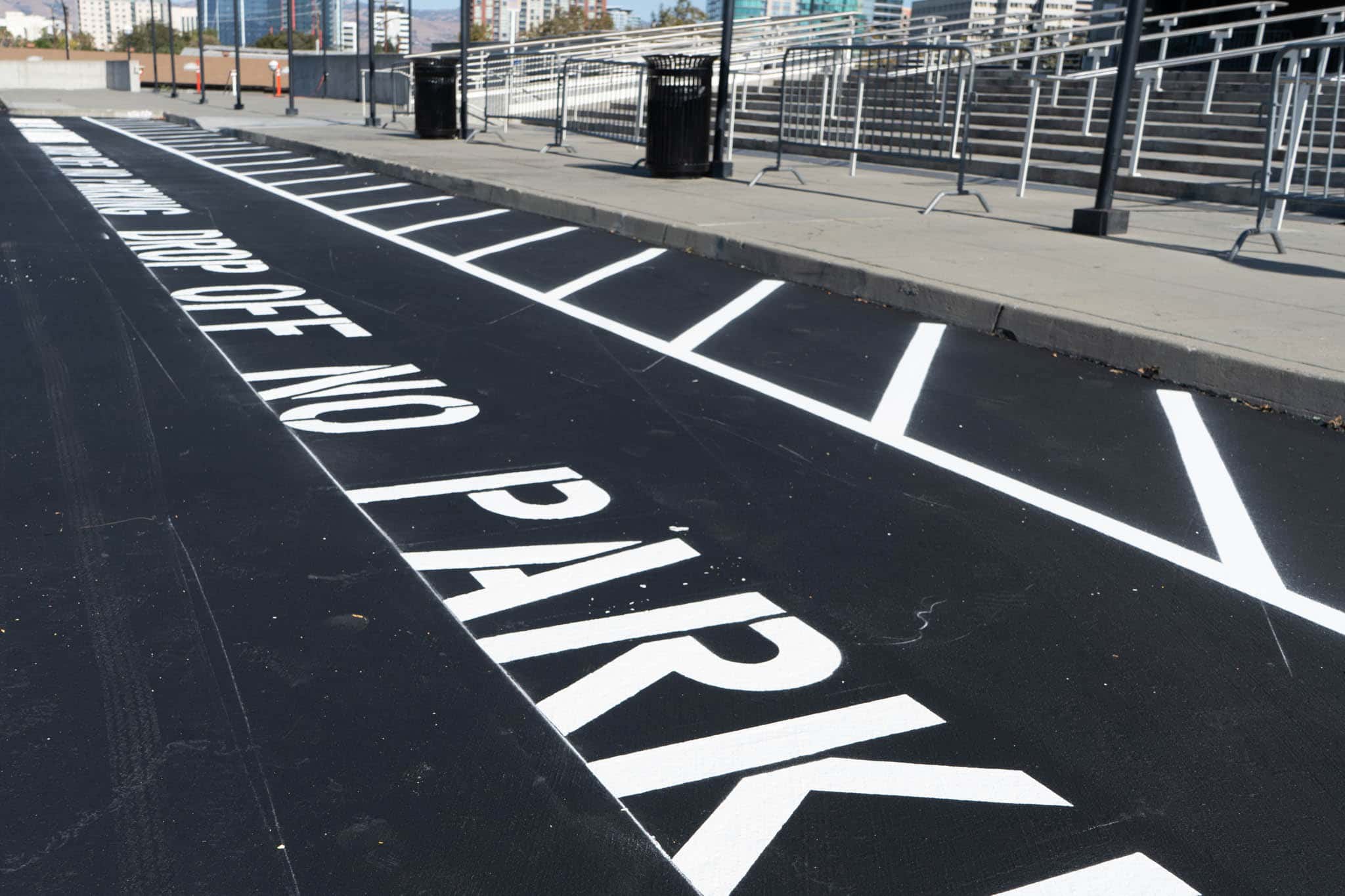
On sealcoating day, clear visual direction is essential.
Professional crews deploy:
Combined with color-coded phasing maps, on-site signage eliminates confusion and supports safe pedestrian and vehicle movement.
Sealcoating day often overlaps with deliveries, service calls, or business-critical operations.
Pacific Surfacing provides 1:1 coordination when needed, working directly with:
When special access windows are required, phasing can be adjusted to accommodate high-priority situations without compromising project quality.
To protect the finished surface and ensure long-lasting results, tenants should:
Following these guidelines ensures the sealcoating process delivers maximum durability and performance.
Preparing residents, tenants, and employees for sealcoating day is just as important as the technical work itself.
Clear communication, early notifications, color-coded phasing maps, weekend scheduling, and efficient operations all contribute to a smooth and professional experience. When tenants know exactly what is happening—and when—it eliminates confusion, improves safety, and keeps operations running smoothly.
At Pacific Surfacing, we treat communication as part of the sealcoating process—not an afterthought. Through thoughtful planning and hands-on coordination, we ensure sealcoating day is organized, efficient, and minimally disruptive from start to finish.
Building trust, long-term value, and accessible spaces for all.
 https://pacificsurfacing.com/wp-content/uploads/2026/04/PS_sustainable-asphalt_v3.jpg 1109 1500 hello@thepointcollective.com https://pacificsurfacing.com/wp-content/uploads/2025/09/PS_logo_rgb_notagline.png hello@thepointcollective.com2026-03-30 08:43:222026-09-10 10:59:22How to combine sealcoating + striping redesign to improve traffic flow and safety
 https://pacificsurfacing.com/wp-content/uploads/2026/03/DSC06745-scaled.jpg 1707 2560 hello@thepointcollective.com https://pacificsurfacing.com/wp-content/uploads/2025/09/PS_logo_rgb_notagline.png hello@thepointcollective.com2026-03-23 12:16:522026-09-10 11:04:47Preparing your pavement for sealcoating: Why proper prep work determines long-term results
 https://pacificsurfacing.com/wp-content/uploads/2026/03/DJI_0340_updated.jpg 1500 2000 hello@thepointcollective.com https://pacificsurfacing.com/wp-content/uploads/2025/09/PS_logo_rgb_notagline.png hello@thepointcollective.com2026-03-16 10:16:182026-09-10 11:06:34Preparing residents, tenants and employees for sealcoating day
 Preparing your pavement for sealcoating: Why proper prep work determines long-term...