Asphalt paving in the winter
Discover the challenges and solutions for winter asphalt paving in the Bay Area, immediate asphalt concerns, and the importance of proactive maintenance.
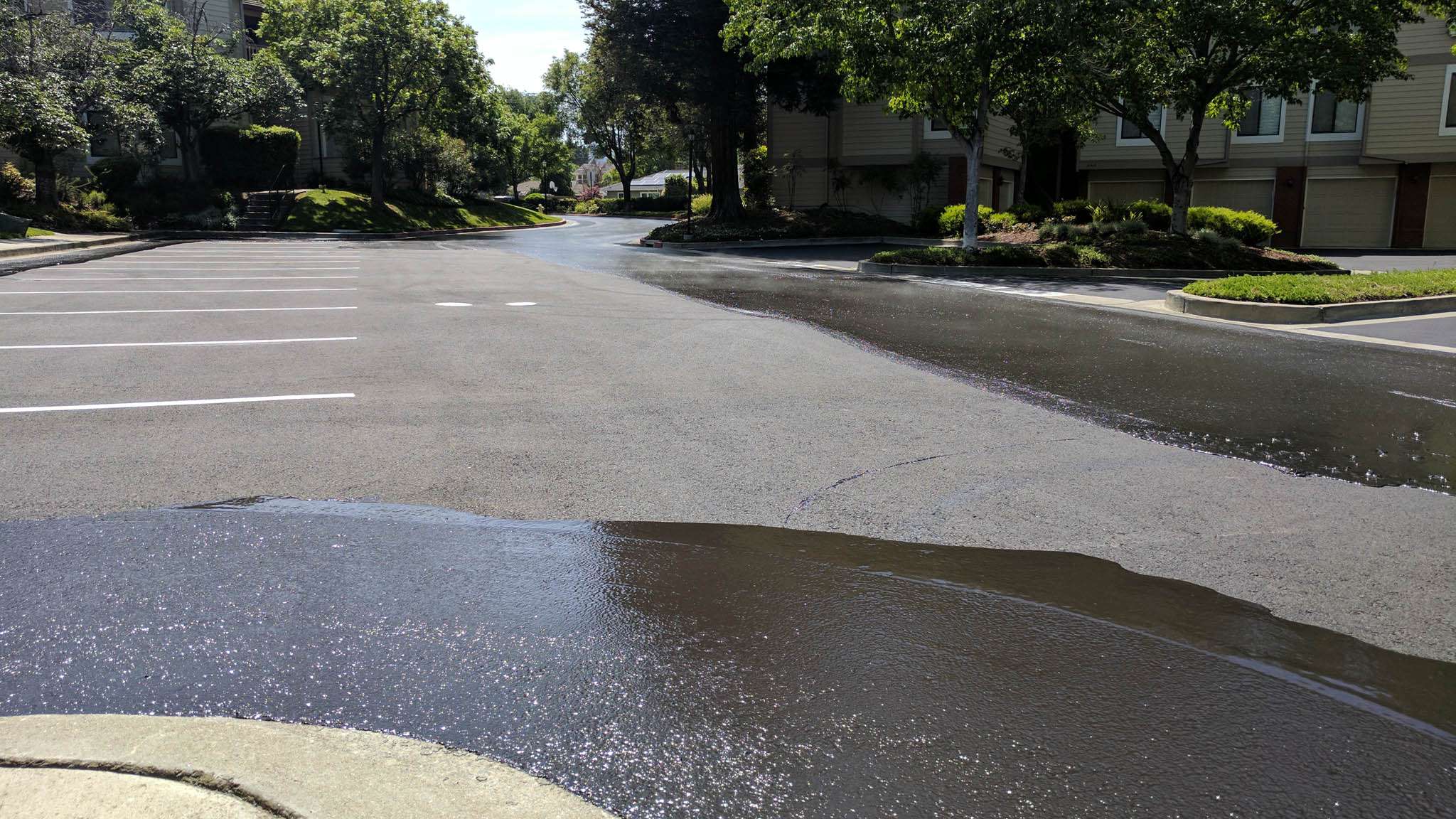

Discover the challenges and solutions for winter asphalt paving in the Bay Area, immediate asphalt concerns, and the importance of proactive maintenance.
Winter brings unique challenges for maintaining commercial asphalt surfaces, particularly in regions like the Bay Area, where fluctuating temperatures and consistent rainfall can wreak havoc on pavement. Understanding the feasibility of asphalt paving during winter, addressing immediate concerns, and planning strategically for spring are essential for property managers and Homeowners Associations (HOAs) overseeing commercial properties.
This article explores the challenges and solutions for winter asphalt paving in the Bay Area, covering potholes, water puddling, trip hazards, and the importance of proactive maintenance. A checklist is included to help prepare your property for the season.
Winter asphalt paving is possible but comes with limitations. Asphalt installation requires specific conditions to ensure proper compaction and bonding. In the Bay Area, the milder winter temperatures compared to colder regions make some paving projects feasible, but consistent rainfall introduces challenges.
Winter exacerbates existing asphalt issues, turning minor defects into major problems. Addressing these concerns promptly can prevent costly repairs in the spring.
Winter maintenance requires prioritization. While some issues demand immediate attention, others can wait until warmer months.
Focus on issues that pose safety risks, liability concerns, or accelerated damage:
These can typically wait until spring:
A proactive winter audit is essential for identifying vulnerabilities in your asphalt and planning maintenance accordingly. Auditing early allows you to implement immediate fixes and prepare for long-term solutions.
This checklist helps property managers and HOAs prepare their asphalt surfaces for winter challenges:
Winter asphalt maintenance benefits commercial properties and HOAs by addressing immediate safety concerns and ensuring regulatory compliance:
The Bay Area’s moderate climate offers advantages and challenges for winter asphalt maintenance. While freezing temperatures are rare, consistent rainfall makes drainage a critical concern.
While winter is not the ideal time for large-scale asphalt paving, many critical repairs can and should be addressed to protect your investment. Potholes, water puddling, and trip hazards demand immediate attention, while less critical concerns can wait until spring.
A proactive approach, including a thorough winter audit and implementing temporary fixes, ensures safety and reduces costs in the long term. For Bay Area commercial properties and HOAs, effective winter asphalt management is key to maintaining functionality, compliance, and customer satisfaction.
By following the provided checklist and prioritizing repairs strategically, you can navigate winter’s challenges and prepare for more extensive improvements in the spring.
Building trust, long-term value, and accessible spaces for all.
 https://pacificsurfacing.com/wp-content/uploads/2026/09/ps-what-el-nino-means-for-your-parking-lot.jpg 1109 1500 hello@thepointcollective.com https://pacificsurfacing.com/wp-content/uploads/2025/09/PS_logo_rgb_notagline.png hello@thepointcollective.com2026-09-28 11:44:372026-10-02 09:11:39What El Niño means for your parking lot
 https://pacificsurfacing.com/wp-content/uploads/2025/11/Asphalt-Lifespan.jpg 1229 1638 hello@thepointcollective.com https://pacificsurfacing.com/wp-content/uploads/2025/09/PS_logo_rgb_notagline.png hello@thepointcollective.com2025-11-11 10:09:142026-09-10 11:14:25Asphalt lifespan in the Bay Area: How long does pavement really last?
 https://pacificsurfacing.com/wp-content/uploads/2025/11/Commercial-Paving.jpg 1229 1638 hello@thepointcollective.com https://pacificsurfacing.com/wp-content/uploads/2025/09/PS_logo_rgb_notagline.png hello@thepointcollective.com2025-11-09 08:54:322026-09-10 11:19:06Commercial paving process: From site prep to final surface
 Understanding concrete paving

