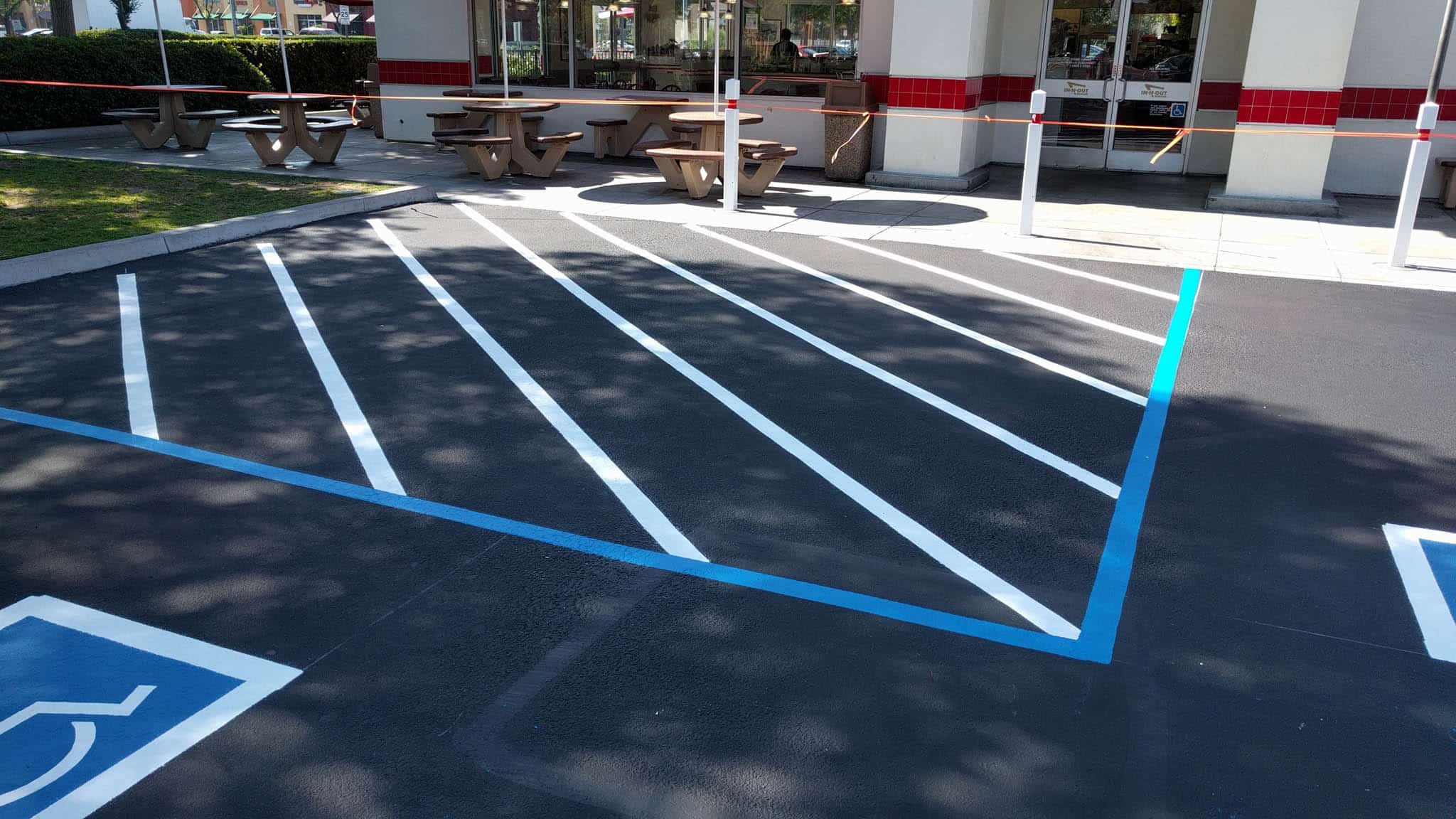
Trip hazard prevention: Keeping your property safe and ADA compliant
What property owners need to know about identifying trip hazards early and keeping walkways safe, smooth, and ADA compliant.


What property owners need to know about identifying trip hazards early and keeping walkways safe, smooth, and ADA compliant.
For commercial property owners and managers, a safe and accessible environment is not optional—it’s a responsibility. Parking lots and sidewalks are often the first points of contact for visitors, employees, and tenants. If these areas are uneven, cracked, or poorly maintained, they create serious risks. Beyond the obvious concern for injuries, trip hazards can also lead to ADA violations, lawsuits, and expensive liability claims.
That’s why trip hazard prevention is a critical part of property maintenance. By addressing issues early and committing to regular upkeep, businesses can avoid accidents while presenting a professional, well-cared-for appearance.
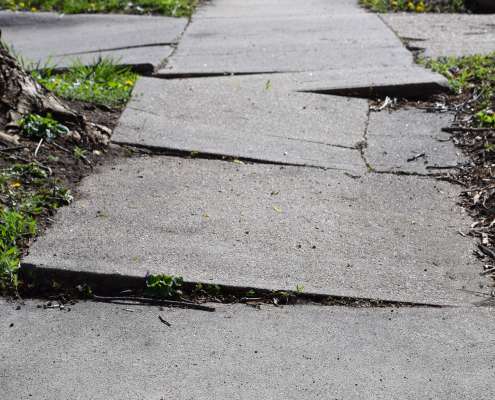
Trip hazards develop slowly, often as a result of natural wear and tear, but they can worsen quickly if not addressed. In the Bay Area, common causes include:
Even small height differences—sometimes less than half an inch—can be enough to create a dangerous trip hazard.
Trip hazards aren’t just inconvenient; they can put a property out of compliance with the Americans with Disabilities Act (ADA). The ADA sets standards for slope, surface smoothness, and transitions that apply to parking lots, sidewalks, and all public paths of travel.
Key compliance points include:
In California, where accessibility lawsuits are common, asphalt repair safety compliance is especially important. Addressing hazards proactively is always less costly than reacting to a legal claim or being forced into expensive retrofits.
Preventing trip hazards is about being proactive. Regular inspections and early repairs go a long way in maintaining safe, compliant pavement.
Smart prevention strategies include:
When small issues are resolved early, they remain quick, affordable fixes. Left alone, they almost always grow into large-scale repairs.
While temporary fixes may buy time, professional repairs ensure long-term safety and compliance. At Pacific Surfacing, we specialize in diagnosing not just the surface damage but the root causes of trip hazards—whether that’s drainage, base failure, or structural cracking.
Our services include:
By addressing hazards thoroughly and with compliance in mind, businesses can avoid repeat problems and extend the life of their pavement.
The benefits of proactive prevention are wide-reaching:
Trip hazard prevention isn’t just about today—it’s about long-term durability, liability protection, and peace of mind.
Parking lots and sidewalks are high-use areas where safety and compliance matter most. By investing in trip hazard prevention and prioritizing asphalt repair safety compliance, property managers and business owners protect their investment while creating a safer, more welcoming environment for all visitors.
At Pacific Surfacing, we bring expertise in ADA standards, local regulations, and Bay Area climate conditions to every project. Our goal is simple: to keep your pavement safe, compliant, and built to last.
Building trust, long-term value, and accessible spaces for all.
 https://pacificsurfacing.com/wp-content/uploads/2025/11/Trip-Hazard.jpg 1229 1638 hello@thepointcollective.com https://pacificsurfacing.com/wp-content/uploads/2025/09/PS_logo_rgb_notagline.png hello@thepointcollective.com2025-11-13 11:08:332026-09-10 11:09:32Trip hazard prevention: Keeping your property safe and ADA compliant
 https://pacificsurfacing.com/wp-content/uploads/2023/10/Pacific-Surfacing-heros-ada-compliance-10-1.jpg 1152 2048 hello@thepointcollective.com https://pacificsurfacing.com/wp-content/uploads/2025/09/PS_logo_rgb_notagline.png hello@thepointcollective.com2025-05-21 15:47:452026-09-10 12:06:49ADA-compliant ramps: Slope, surface & regulations
 https://pacificsurfacing.com/wp-content/uploads/2023/10/Pacific-Surfacing-heros-ada-compliance-2-1.jpg 1152 2048 hello@thepointcollective.com https://pacificsurfacing.com/wp-content/uploads/2025/09/PS_logo_rgb_notagline.png hello@thepointcollective.com2025-01-15 11:56:042026-09-10 12:17:18Asphalt and concrete finishing for ADA compliance
 Preparing residents, tenants and employees for sealcoating day